Our approach

Organised around what someone actually needs, not the label on their referral.

A single label — “ex-offender”, “homeless”, “domestic abuse survivor” — rarely describes one problem. In practice, the people we house present with several overlapping needs at once, and the label attached to their referral is often only the most visible one, not the most significant.


58%
of people accessing housing-related support have three or more recorded needs
18%
have five or more — the maximum the system could even record
79%
experienced a traumatic event before the age of 18

The scale of need, by cohort

The evidence base behind our model. We publish this because we think local authorities and partners should be able to check our reasoning, not just take our word for it.

56.6%
Prison leavers
of adults released from sentences under 12 months reoffend — nearly double the overall rate
Ministry of Justice
68%
Homelessness
report a long-term illness or disability; two thirds face severe, multiple disadvantage
Homeless Link
40%
Domestic abuse
of homeless women cite abuse as a contributory factor; survivors face major barriers to move-on housing
Refuge / Women's Aid
45%
Mental health
of people experiencing homelessness have a diagnosed condition, rising to 8 in 10 rough sleepers
Crisis UK
+37%
Care leavers
rise in homelessness among care leavers in five years — twice the rate of the wider population
Become Charity
The economic case

This isn't only a moral case. Reoffending is extremely expensive.

A prison place cost £60,018 for the year 2024/25 — and it has risen sharply, from £46,696 in 2021/22. Reoffending costs the country an estimated £18 billion a year: policing, prosecution, court time, victim services, and, in many cases, a further prison sentence.

One person diverted from a single further reoffence and custodial sentence can offset several years of our support costs for that individual outright.

Home Office cost-of-crime estimates, per offence:

Violence with injury£14,050
Robbery£11,320
Vehicle theft£10,290

A genuine support standard, not a minimum one

We do not think “one hour a week” is support. Every resident receives regular, structured support tailored to their personal situation — combining dedicated in-person keywork, proactive contact, and a 24/7 on-call support line.

Resident Journey Pathway
STEP 01
Referral & Assessment
Multi-agency baseline & holistic strengths review
STEP 02
Stabilization & Safety
Immediate safety planning, routine & psychological security
STEP 03
Skills, Health & Work
Independent life skills, health liaison & vocational growth
STEP 04
Sustainable Move-On
Transition to settled, independent general housing
One-to-One Keywork
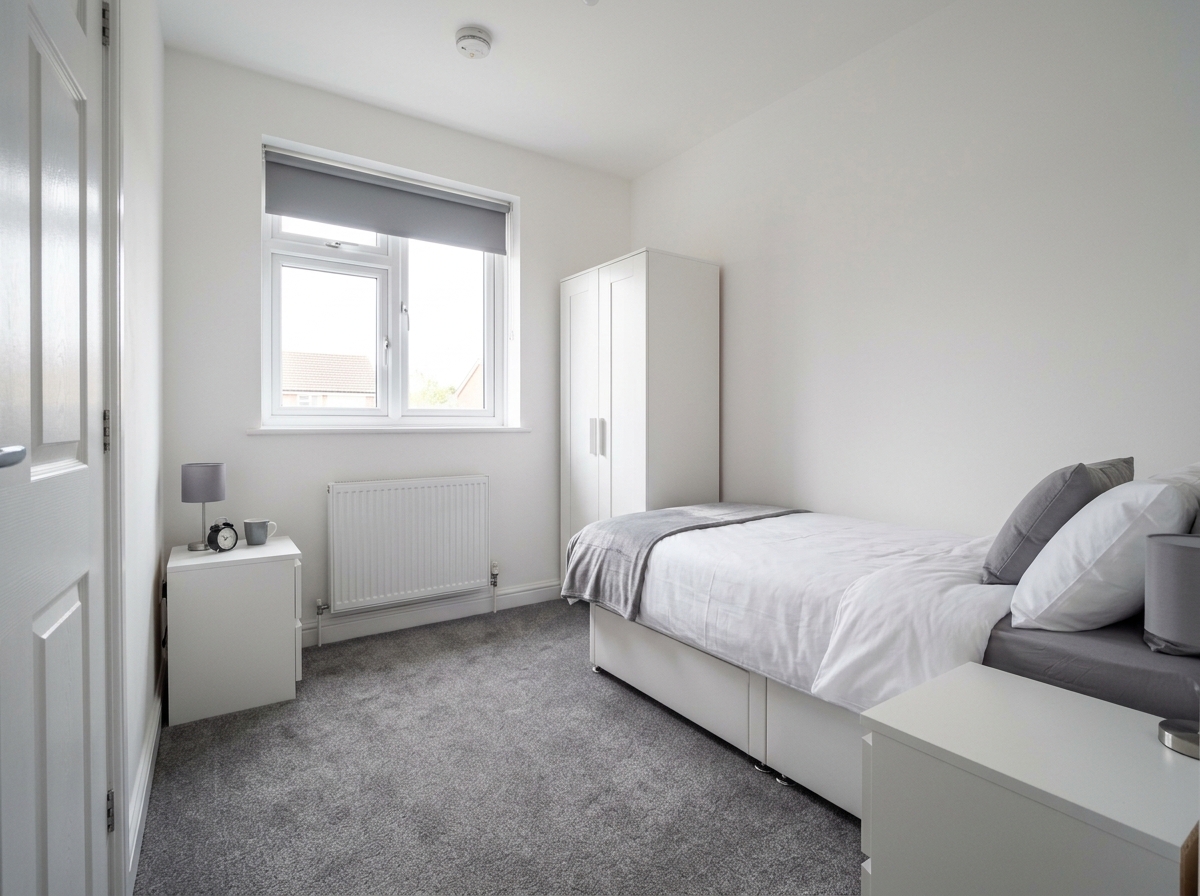
Calm, high-standard bedroom accommodation

Dedicated In-Person Support

Regular face-to-face sessions with an assigned, named keyworker focusing on personal goals and stability.

  • • Regular one-to-one keywork sessions
  • • Tailored independence & support planning
  • • DWP, benefits & employment liaison
  • • Move-on preparation and life skills guidance
Focus: Practical personal development & sustainable independent living.
Core Standard
Active Contact
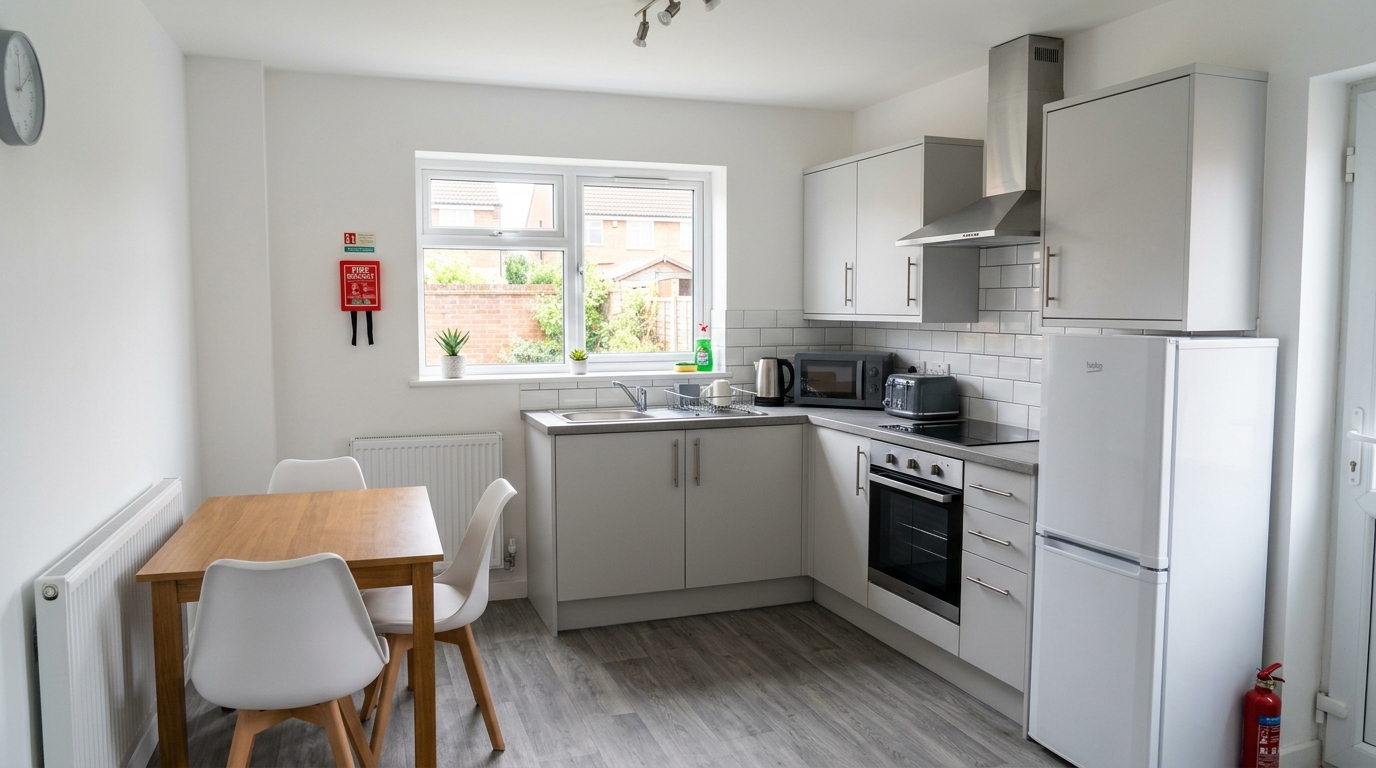
Communal kitchen accommodation

Direct Contact & Welfare Checks

Proactive communication and welfare checks ensuring personal safety, health, and a positive home routine.

  • • Daily welfare checks and consistent contact
  • • Named lead keyworker for continuity of care
  • • Multi-agency liaison (NHS, health & Probation)
  • • Coordinated health and safeguarding reviews
Focus: Day-to-day stability, personal safety, and consistent routine.
24/7 Response
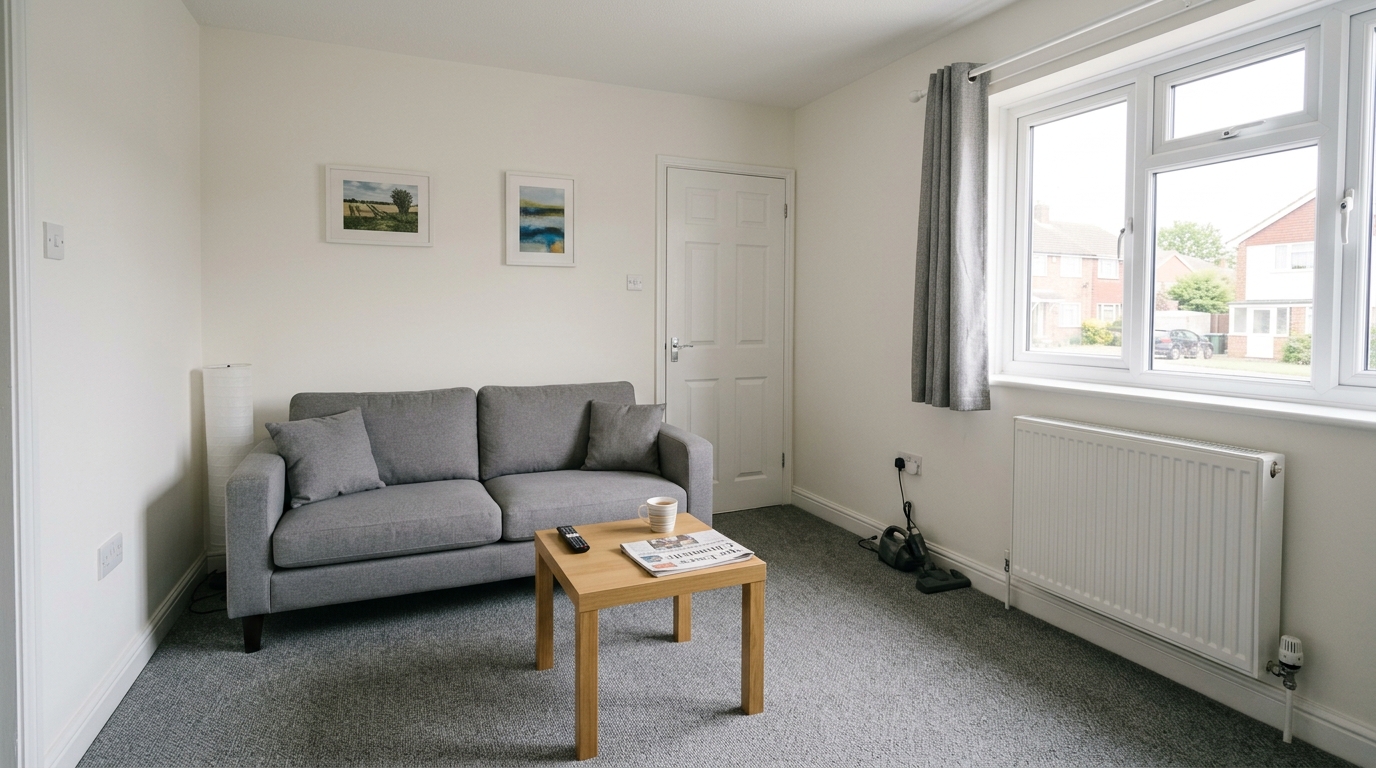
Communal living room accommodation

24/7 Dedicated Support Line

Round-the-clock on-call coverage for urgent situations, safety concerns, or emergency maintenance.

  • • 24/7 dedicated on-call support line
  • • Rapid emergency intervention protocols
  • • Out-of-hours safeguarding & incident management
  • • Emergency contractor dispatch coordination
Focus: Round-the-clock peace of mind and rapid crisis response.
Digital Governance & Operations Hub

Centralized Resident & Operations Portal

Keeping all communications, maintenance tracking, and safeguarding notes strictly inside one encrypted architecture — providing an unalterable audit log for council inspections.

Resident Portal →
01

Frictionless Resident Access

Designed for vulnerable individuals without complex app store downloads or burdensome password rules.

  • • Simple PIN Authentication: Magic link or 6-digit PIN linked to room number.
  • • Internal Messaging: Direct threaded chat with assigned key worker.
  • • 1-Click Maintenance: 3-step repair reporting with photo uploads.
  • • Tenancy Hub: Immediate access to licence agreements and 24/7 out-of-hours numbers.
02

Staff & Compliance Back-Office

Eliminating unlogged personal texts on staff phones with centralized operational oversight.

  • • Unified Resident Threads: Every message tied permanently to the tenancy file.
  • • Awaab's Law Timers: 24hr emergency countdown & 5-day routine SLA clocks.
  • • Safeguarding Escalation: Automated 2-hour priority routing to the DSL.
  • • Council HB Audit Export: 1-click export of complete logs for Basildon Council.

Owning the whole pathway

Our ambition isn't to hand residents off to someone else once they're ready to move on. It's to take someone in when they need support, work with them through training and employment, and move them on into settled, general housing — within our own stock once we're Housing Association registered. That's the outcome this whole model is built toward.